
Updated: March 7, 2024
Is There an Age Limit for Purchasing an Annuity?
There is no federal law or rule that sets a minimum or maximum age limit for annuity purchases but insurance companies that sell annuities set their own age limits. Some companies will not let anyone under 18 purchase an annuity, while the upper age limit is typically between 75-95. The average annuity buyer is between 40 and 70.
Income annuities are often called retirement annuities—they exist to provide guaranteed income in retirement. So does that mean they’re only for retirees? Absolutely not!
Annuities can be a good choice at any age. But depending on your age, you may not be able to purchase an annuity. Insurance companies vary widely in the age limits they put on their annuities. Age limits may also vary by the type of annuity (qualified or non-qualified) and the annuity term. At Canvas Annuity we allow people to purchase non-qualified 3 and 5 year annuities up to age 90.
Besides buying annuities, there are also some age rules around withdrawing from your annuity. For example, if you make a withdrawal before you turn 59 ½, you may have to pay a tax penalty to the Internal Revenue Service (IRS).
In this article, we answer all your age-related questions about annuities. We explain age limits for different types of annuities and the age-related rules for withdrawing from an annuity. We also provide suggestions for when it’s the best time to consider buying an annuity.
Can You be Too Young or Too Old for Annuity Purchases?
The short answer is that every insurance company has different rules. But to understand age limits on annuities, let's first clarify how annuities work.
Annuity contracts are insurance products that help you grow your retirement savings over time. They can be annuitized to start paying you a guaranteed income stream in retirement.

Annuities have an accumulation phase and a payout phase. At the beginning of the accumulation phase, you fund your annuity by paying premiums to your life insurance company. Throughout this phase, your money earns interest and your principal grows. To start the payout phase, you "annuitize" your annuity. This tells your insurer to turn your annuity into a steady stream of income.
Age limits may differ for buying an annuity and for annuitizing an annuity.
What Is the Maximum Age to Buy an Annuity?
The age limit to buy an annuity depends on the insurer. Some life insurance companies sell annuities to individuals up to 100 years old. Others stop selling annuities to individuals as early as 75 years old. At Canvas Annuity, we issue annuities to individuals up to 90 years old.
When it comes to paying out, the maximum age to annuitize depends on the insurer. They will specify it in the annuity contract. For most companies, the latest you can wait before you annuitize is 95. At Canvas, the maximum age you can be before you annuitize is 100 years old.
What Is the Minimum Age to Buy an Annuity?
There is no federally set minimum age for buying an annuity. Some companies will only sell annuities to individuals after they turn 40. At Canvas, we believe that it’s never too early to start saving for retirement. That's why we sell annuities to anyone over 18 years old.
There is also no minimum age set in law for paying out the annuity but there are some considerations to keep in mind regarding withdrawals before retirement age. The rules for annuitization depend on the insurance agency and annuity contract.
Remember that early withdrawals—withdrawals made before the end of the surrender charge period specified in your contract—may face a surrender charge. To avoid these, ensure your withdrawals occur after your surrender charge period ends.
Also, note that the IRS levies a 10% early withdrawal penalty on most withdrawals from retirement accounts (including annuities) that take place before you are 59½ years old. To avoid this expense, withdraw from your annuity only after you turn 59½.
A final age-related consideration is your payout amounts. The value of your annuity payments may change depending on when you choose to annuitize. Generally, the younger you are when you annuitize, the smaller your payouts. For larger payouts, wait longer before you annuitize.
Should a 40-Year-Old Buy an Annuity?

40 is a great time to invest in an annuity. An annuity allows you to beef up your retirement savings before you need it.
There are contribution limits on your individual retirement account (IRA) and 401(k). If you want to stash away some extra cash in a tax deferred account in addition to those contributions, an annuity is a great place to put it.
Age Restrictions on Different Types of Annuities
There are several different types of annuities. They differ on when they pay you back, how they calculate interest rates, and more. So, you might be wondering whether there are different age restrictions for each type of annuity. We break it down for you here.
Immediate Annuities
Immediate annuities are annuities that start to pay you back almost as soon as you buy them. You purchase them with a single premium—one lump sum of cash. Then, they skip the accumulation phase and start annuity payouts almost immediately.
The majority of immediate annuity buyers are in their 70s. Some companies will sell immediate annuities until age 100. Immediate annuities are best for people who are already in retirement or close to it. They're not ideal for younger individuals.

Deferred Annuities
Deferred annuities have an accumulation phase where earnings grow over a specified period of time—often for several years. You may annuitize your deferred annuity years after you buy it.
Age limits for deferred annuities usually range from about 18 to 90 years old. They are great for retirees who have some time before they need annuity income payments. They're also great for younger individuals who want a safe place to grow their money over the long term.
If you're younger than 50 years old or want to grow your nest egg, a deferred annuity could be right for you.
Fixed Annuities
Annuities can also differ in how they calculate their interest rate.
Fixed annuities provide a guaranteed minimum interest rate over the term of the annuity. The interest rate will never drop below that fixed minimum. This makes them a very low-risk way to create wealth over a long period of time.
Fixed annuities are ideal for investors who want a safe vehicle to grow their savings and lifetime income payments. Age limits for these depend on the insurer. At Canvas, we sell our fixed annuities to adults between ages 18 and 90.
Variable Annuities
Variable annuities are higher risk. When you purchase a variable annuity, you choose several sub-accounts to invest your premiums in. These sub-accounts work like mutual funds in that they pool money to invest according to specified objectives. You can choose sub-accounts that invest in bonds, stocks, and other investment options.
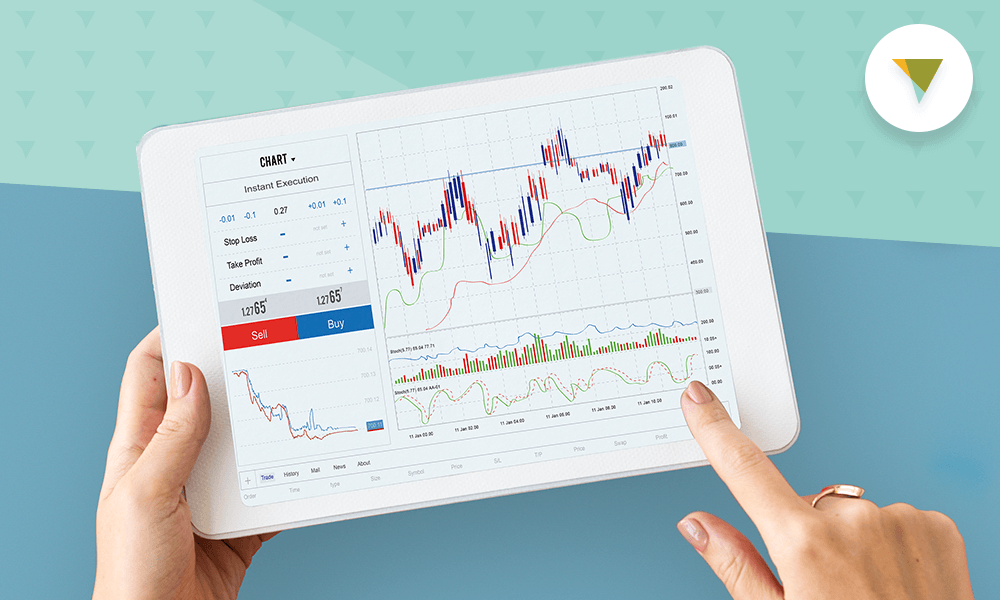
If the portfolio of assets in your sub-account performs well, your interest rate increases. But if they perform poorly, your interest rate can decrease. You may even lose money.
Age limits for variable annuities vary considerably by insurer. Because these are riskier investments (often with high investment and administrative fees), these may be better for younger individuals who are comfortable with significant market risk.
Fixed Indexed Annuities
Fixed indexed annuities bring in aspects of both fixed annuities and variable annuities. Like variable annuities, fixed indexed annuities use market performance to calculate the interest rate. You select a market index when you buy a fixed index annuity. Depending on how that index performs, your interest rate may increase or decrease.
Like fixed annuities, fixed index annuities also incorporate a fixed minimum interest rate—typically 0%. That means that you won't lose money as a result of poor market performance.
Again, age limits for fixed indexed annuities depend on the insurer. Some let you buy these up to age 85. Others cap the limit at 75. Many carriers specify that you must be at least 50 years old to buy these.
Multi-Year Guarantee Annuities
Multi-year guaranteed annuities (MYGAs) are annuities that are both deferred and fixed. You fund them over several years, and they accumulate with a fixed interest rate over their term.

You can usually buy MYGAs until age 90, although it depends on the insurer. Most people who buy MYGAs are between 50 and 70 years old.
Qualified and Non-Qualified Annuities
Annuities can also differ based on how they're taxed.
First off, all annuities enjoy tax deferral. That means you don't pay taxes on your gains right away. Instead, you pay taxes in the year you withdraw from your annuity. When taxes are due, you pay ordinary income tax on all types of annuities (rather than capital gains tax).
Annuities can be qualified or non-qualified. Annuities that you fund with pre-tax dollars are qualified annuities. You have to pay regular income taxes on the entire distribution amount you receive from qualified annuities. Non-qualified annuities are funded with after-tax dollars. You don't pay taxes on that same money again, although you do owe taxes on any earnings.
Age restrictions on purchases may differ between qualified and non-qualified annuities. Also, keep in mind that qualified annuities are subject to the same rules that apply to traditional 401(k)s and IRAs. After age 72, you must take required minimum distributions.
What Is the Best Age to Purchase an Annuity?
Annuities can be a great choice for adults at virtually any age because they can guarantee lifetime income. There aren't any hard and fast age limits for purchasing or annuitizing an annuity—each insurance company is different. But in general, it’s much easier to buy annuities if you’re between the ages of 40 and 80. Individuals who are younger than 40 or older than 80 may have fewer options.

The earlier you can start saving, the better! Annuities are long-term investments. The longer you can let your money grow before turning it into a steady retirement income, the more money you can expect to receive when you annuitize.
Think an annuity could be for you? Talk to your financial advisor or get in touch with our licensed reps. They can answer any questions you have about whether you qualify for an annuity at your age and how much you can earn.





Resource Hub