
Updated: March 7, 2024
Variable Annuities: How Do They Work?
A variable annuity is a product issued by insurance companies that can help you accumulate money before retirement and distribute money during retirement. Variable annuities offer you the highest possible returns because you can invest your money in accounts within the annuity that are linked to the stock market.
But while variable annuities give you the biggest possible upside, they also can be the riskiest type of annuity. In this article, we will break down this product in detail to help you make an informed decision.
What Is a Variable Annuity?
Before we discuss the details of variable annuities, let's recap how annuities work in general. An annuity is a contract between you and a life insurance company. There are generally two phases to an annuity: the accumulation phase and the payout phase.
In the accumulation phase, your annuity earns interest, causing the balance to grow. The accumulation phase typically occurs before retirement. Once you are ready to receive a steady flow of guaranteed income, you can annuitize your contract and enter the payout phase.
The payout phase typically happens in retirement. During the payout phase, you receive a stream of regular payments. These payments can either come monthly, quarterly, semiannually, or annually. This guaranteed income stream makes annuities unique among most other retirement products, especially since you can choose to receive that income for the rest of your life.
Annuities come in a variety of types, driven by your risk tolerance. These include fixed, fixed indexed, and variable annuity products. Of these, variable annuities are the most complex. They have the highest potential risk, the highest account fees, and the highest potential reward.
A variable annuity serves as a tax-deferred investment account. With a variable annuity contract, you choose investments that impact the value of your annuity. Your account value will increase or decrease depending on the performance of the investment options you choose.

When you buy a variable annuity, you are responsible for directing the insurance company on how to invest the funds, using sub-accounts. Typically, these sub-accounts invest your cash into pools of different assets, stocks, bonds, and money market funds.
Your annuity company provides details about the investment objective of each sub-account. But you get to decide how to distribute your money across the sub-accounts.
For example, you can choose sub-accounts comprised of all stocks, sub-accounts that are all bonds, or sub-accounts with a 50/50 mix of stocks and bonds. If your investments perform well, the value of your annuity will grow. If your investments perform poorly, your annuity may not grow—you might even lose money.
Types of Variable Annuities
There are two types of variable annuities: deferred and immediate.
With a deferred variable annuity, the accumulation phase can last many years. This allows the annuity to earn interest before you start receiving income payments. You usually purchase deferred annuities before retirement, allowing more time for the balance to grow and giving you more time to offset losses you might incur prior to retirement.
With an immediate variable annuity, you start collecting payments almost immediately after purchasing the annuity. As you would imagine, immediate annuities are usually purchased near or in retirement.
Variable Annuities vs. Fixed Annuities vs. Fixed Indexed Annuities

With a variable annuity, you can reap the benefits of high market returns, but you're also subject to market risk. This is why variable annuities differ from fixed annuities and fixed-indexed annuities.
Fixed annuities give you a fixed rate of return for the duration of the guarantee period. The interest rate you receive is not subject to market risk. As long as you do not surrender your annuity early, you can count on receiving, at a minimum, the guaranteed interest rate stated in your annuity contract.
Fixed-indexed annuities are similar to variable annuities in that your account value can grow based on the performance of an index. However, fixed-indexed annuities are still a type of fixed annuity, meaning they have a set minimum crediting rate (usually 0%). As the name suggests, a variable annuity does not have a guaranteed minimum crediting rate, meaning you could lose money.
Variable Annuity Regulations and Death Benefits
Variable annuities are regulated by FINRA (Financial Industry Regulatory Authority) and the SEC (Securities and Exchange Commission). These are both government agencies that, among other roles, oversee the activities of salespeople and companies that sell securities and products that utilize securities.
Most variable annuity contracts include an insurance component that provides a death benefit rider. The death benefit pays the current contract value to designated beneficiaries. The annuitant’s death usually triggers the death benefit payout. However, there are contracts in which the annuity owner’s death triggers the benefit.
If you’re unsure of the difference between an annuitant and an annuity owner, check out our post: Annuitant vs Annuity Owner: What’s the Difference? Variable annuities are relatively complex. That’s why it’s a good idea to meet with a financial planner to review the annuity prospectus and discuss your investment options before purchasing a variable annuity.
Can You Lose Money with a Variable Annuity?
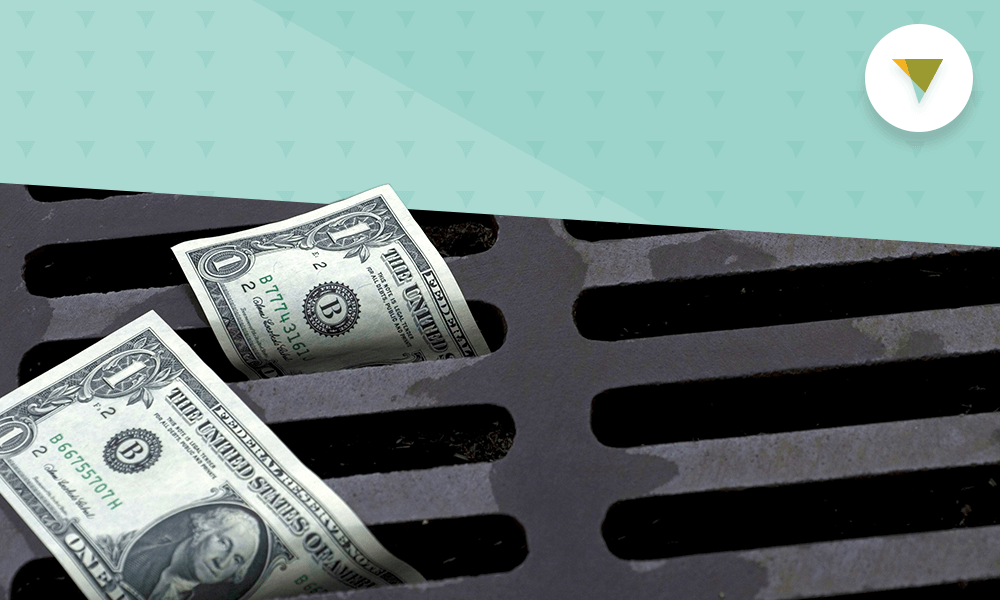
Yes, you can lose money with a variable annuity.
The investment choices you make are critical for many reasons. Most notably, your returns will impact your account value which, in turn, determines your future annuity payment. Sub-account investments that perform well will positively impact your account value and future annuity payments. Sub-account investments that perform badly can cost you money and will lower your future income.
Some variable annuity contracts offer protection against investment losses in the form of riders. For instance, you can choose a rider to protect your variable annuity balance from falling below your initial deposit amount. However, keep in mind that purchasing a rider usually reduces your interest rate returns, adding to the overall cost of your annuity.
Can You Withdraw Money Early from a Variable Annuity?
When you’re ready, you can convert your variable annuity into a stream of annuity payments through a process called annuitization. When you receive the payments, you have to pay income taxes on any gains your investment product has generated.
But what if you want to make a significant, lump-sum withdrawal or cancel your contract altogether? That’s when it gets more costly. Variable annuities almost always have surrender charges. The typical surrender period lasts 6 to 14 years after you purchase your annuity. If you make a withdrawal during this time, you could owe a penalty.
This penalty usually decreases as you move through your surrender period. For example, your contract might start with a 7% surrender charge that goes down by 1 percentage point each year until it’s gone after 7 years. After this point, you can withdraw all your money without owing a penalty.
However, if you’re under the age of 59 ½ when the surrender period ends, you may still owe a penalty to the IRS if you try to withdraw. Because annuities offer certain tax advantages, you face the same kind of IRS early withdrawal penalty that most retirement account holders do.
Advantages of Variable Annuities
Higher growth potential. If your investments do well, you will likely earn a higher return than if you chose a fixed or fixed-indexed annuity.
Tax-deferred growth. Any investment gains from your variable annuity are tax-deferred, meaning you won’t owe taxes until you take money out of the account.
Investment protection. You could purchase a variable annuity with investment protection. This rider guarantees that you will at least get your initial deposit back, even if your investments lose money. This rider costs extra, but it provides additional protection.

Income for the rest of your life. You can set up your variable annuity to guarantee that future payments last your entire life, even if your account value drops below zero. This guaranteed lifetime income is available for all annuity products. However, there may be an extra fee for this feature.
No income or contribution limits. Unlike other retirement savings accounts (like 401(k)s and IRAs), there are no federally set contribution limits. You can contribute as much as you want to variable annuities each year (although the insurance company may set a limit). This is especially valuable if you’ve maxed out your contributions to other retirement accounts but still want to save more for retirement.
Disadvantages of a Variable Annuity
Higher investment risk. Variable annuities are the riskiest type of annuity. If your investments do poorly, your balance may not grow, or you may even lose money.
Potentially high fees. The fees on a variable annuity can be significantly higher than on other types of annuities. This is because you are paying a combination of both investment and annuity fees.
More complicated to plan. With a variable annuity, you need to choose investment options and be vigilant about tracking them so you can make adjustments if warranted, making them more work than other annuities.

Surrender charges on withdrawals. Variable annuities usually come with a surrender charge that lasts for 6 to 14 years. If you try to take out a lump-sum withdrawal or cancel your contract before then, you may owe a substantial penalty.
What to Ask Before You Buy a Variable Annuity
Before purchasing a variable annuity, here are some questions to ask yourself regarding your personal financial situation:
Are you close to retirement? Are you retired or nearing retirement and seeking consistent, guaranteed income? If so, a fixed annuity may be a better choice than a variable annuity. If you are retirement planning and building up assets, then a variable annuity or an indexed annuity might be a better choice.
Both of these annuities can grow your money faster than fixed products, but the returns aren't guaranteed. Regardless of the type of annuity you choose, make sure to buy one with a death benefit included or purchase a death benefit provision if you plan to leave your annuity to family members.
Will you need the money right away? Do you have health issues that may require cash liquidity? These are important questions because annuities have high surrender fees that can affect the principal amount if you withdraw early. If you do need liquidity, you may want to choose another product. With variable annuities, expert advice is paramount. Here are some questions to ask your financial advisor:
What is the minimum guaranteed return? Your annuity contract identifies the guaranteed minimum return as the return that you will make no matter what. With fixed annuities, the minimum guaranteed return is easy to locate. With variable and fixed indexed annuities, you should ask your financial advisor. Be sure to find out if your annuity company offers the feature and how much it costs.
What are the surrender fees if I get out early? If you withdraw your funds before the end of the surrender charge period you will likely owe a surrender charge. Ask your advisor to show you the specific surrender percentages and the duration of the surrender charge period.
What are the initial and annual fees associated with the product? In some cases, the annuity company charges annual fees. There could also be upfront fees that the company charges. Ask your advisor to show you the prospectus. High fees will reduce your overall benefit.
What "emergency waivers” are available if I need the money right away? You may be able to use an emergency waiver to access your funds if you need to use annuity funds for an emergency. Emergencies may be defined as a medical condition or if you have to go into a nursing home. Some life insurers will waive the surrender fee if you need the money for emergencies like these.
The Bottom Line
Each type of annuity has its advantages and disadvantages. The primary benefit of an annuity is twofold. First, it allows you to build up money for retirement, tax deferred. Then, it creates consistent, guaranteed retirement income with payout options that can last for your lifetime.

Canvas Annuity allows you to purchase the most straightforward type of annuity: fixed annuities. And you can complete the entire process online! Our fixed annuity rates are among the most competitive in the industry. And if you have any questions, contact our licensed, non-commissioned reps today!





Resource Hub