
Updated: March 7, 2024
Pros and Cons of a Variable Annuity: What You Should Know
Variable annuity contracts have above-average growth potential in addition to many of the other benefits offered by annuities. That growth potential comes at too steep of a price for many people in the form of management fees and other charges that can take a large percentage out of the accumulated earnings. In addition, variable annuities do not have the principal protection that fixed or fixed-indexed annuities have.
What if I told you that you could buy a retirement product that can grow your money quickly, and guarantee income for life, all while deferring paying taxes on that money until you use it? Nice, right?
What if I also told you that this same product had fees and expenses that could eat up as much as 4% of your account balance annually?
This is the conundrum of variable annuities.
A variable annuity is a tax-deferred annuity contract that allows you to choose from a selection of investments to provide account value growth, and then pays you a level of income in retirement. The growth (or lack of growth) is driven by the returns of those investments. Variable annuities can be compared to fixed annuities, which provide guaranteed rates not linked to the stock market. Savvy investors should analyze the benefits and drawbacks of every product in their retirement portfolio, and annuities are no exception to this rule. Let’s take a deeper dive into variable annuities and their fixed counterparts and see how they work.
How Variable Annuities Work
A variable annuity is a contract issued by an insurance company. The insurer holds your money in funds selected by you and allows the money to grow tax-deferred. The contract comes with a guarantee that the insurance company will make periodic payments to you in the future. Because they are more complex than other types of annuities, variable annuities are typically purchased from life insurance agents or financial advisors. You can fund a variable annuity with one single payment or with one a series of payments to the insurer.

A variable annuity, like all annuities, has two phases. The first is the accumulation phase where you fund the contract and the earnings of the investments you have selected accumulate on a tax-deferred basis. The second is the payout phase, where you receive regular payments from the insurance company for the rest of your life or the life of you and your spouse.
Variable annuities are designed to provide the highest potential for growth of all types of annuities. With this product, you choose professionally managed funds that are comprised of stocks, bonds, and money market instruments—or a combination of the three. These so-called subaccount funds will determine how, or if, your balance will grow over time.
As with all annuities, gains are exempt from taxation until withdrawal.
Variable annuities tend to be complex compared to other types of annuities. There are a few reasons for this complexity, including a confusing cost structure, choice of investments, and contract enhancements called riders.
Variable Annuity Advantages
There are three core advantages to variable annuities, some of which are also characteristics of fixed annuities.
Tax-Deferred Growth
If you buy an annuity with after-tax funds, you are only required to pay taxes on the earnings, and even then, only when you begin to receive distributions. An annuity funded with after-tax money is known as a non-qualified annuity. Tax deferral means that taxes aren't due until you withdraw money from the annuity.
If an annuity is funded with pre-tax money, then it’s considered a qualified annuity. Typically, these annuities are funded with money from 401(k)s or other tax-deferred retirement accounts, such as individual retirement accounts (IRAs).
When you receive payments from a qualified annuity, those payments, representing both untaxed principal and earnings, are fully taxable at ordinary income rates. Tax deferral can make an annuity a better choice to grow money for retirement vs. traditional short-term products like certificates of deposit (CDs) and savings accounts, which require you to pay taxes on earnings every year. All types of annuities feature tax-deferred growth.
Lifetime Retirement Income
All annuities, including variable annuities, feature the ability to create a stream of income in the form of a monthly paycheck for the rest of your life, which protects you against the possibility of outliving your assets. This lifetime income feature is a unique attribute of annuities. You can even customize these payments so they are distributed for a specific period, like 10 or 20 years.
Death Benefits
If you are building up money within a variable annuity during the accumulation phase and die before you are able to take distributions, variable annuities often come with a death benefit. This provision allows you to name a beneficiary of the annuity, who will receive a specified amount of money, typically the existing balance of the annuity upon the owner's death. Fixed annuities also feature death benefit provisions.
Above Average Growth Potential
While the previous advantages are shared among all types of annuities, the ability to maximize earnings growth over and above fixed rates is a benefit unique to variable annuities.

Variable Annuity Disadvantages
There are two big disadvantages to variable annuities that you should take into account when comparing annuity plans—the possibility of market loss and high management fees and account charges. You may also have IRS penalties and tax implications to consider.
Market Loss
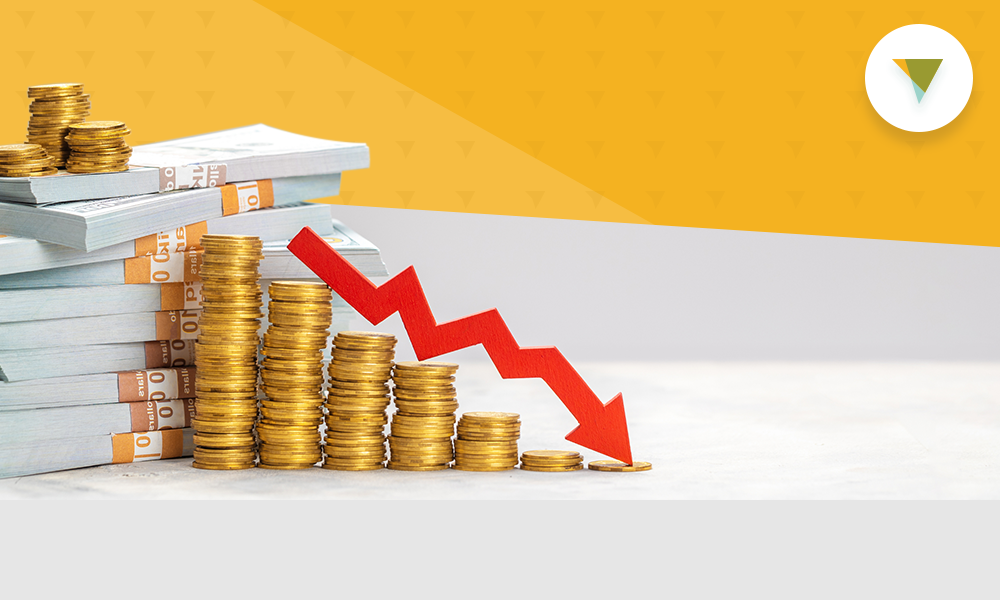
Plain and simple, if the investments in your account decline, the value of your annuity will also decline – and that means lower payouts to you if you annuitize the product to fund your retirement.
Management Fees, Account Charges, and Tax Implications
Fees and expenses on variable annuities can be high and take a major chunk out of your gross returns. These fees include administrative costs, insurance and contract charges, fund expenses, and mortality and expense risk charges. Discuss these fees in detail with a financial adviser or insurance agent.
In total, these fees typically average between 2% and 2.5% of your account value per year but can be as high as 4%. Compare these fees with mutual funds whose fees are typically around 0.75%.
Additionally, if you try to withdraw funds before age 59½, you will incur a 10% early withdrawal penalty from the IRS.
Variable annuities, like most annuity products, have surrender charges that will be levied by the insurance company for excess withdrawals. Surrender charges typically start at 10% per year and slowly reduce to zero over time.
Due to the subaccounts where your money is invested, variable annuity buyers are presented with punitive tax impacts. Any long-term capital gains you build up in stock and bond subaccounts are taxed at ordinary income rates when you withdraw them vs. the capital gain tax rates, which are lower than ordinary income rates.
Annuities are long-term products, so make sure you have other liquid sources of funds available before you dedicate money to annuities.
Who are Variable Annuities Right For?
Most investment professionals agree that the number of disadvantages of variable annuities is much greater than the advantages. So who are these right for? One fit could be for people who have already maxed out their 401(k) or Roth IRA contributions and are looking for a product with no maximum annual deposit amounts.
Variable annuities could fit the bill because there are no limits to the amount you can deposit each year (other than limits placed on the product by the insurer).
The product may also be a fit for someone comfortable with the inherent risk, who want the potential for higher reward, and/or has a long time horizon to make up for any losses before retirement.
Are Fixed Deferred Annuities a Better Option?
If the disadvantages of variable annuities are scaring you off, don't fret! Other annuity options have guaranteed rates and still have the benefits of tax deferral and lifetime income.
If guarantees are more your style, then a fixed deferred annuity may be a better option than a variable product.
Fixed annuities can act as a solid foundation for your retirement plan, upon which you can layer additional, riskier investment products. Further, fixed annuities are not as fee-laden as variable annuities. True, your ability to earn is less, but the rates are 100% guaranteed to be paid by the insurer. Fixed annuity rates are currently very competitive, especially rates from Canvas Annuity.
Canvas annuities feature some of the most competitive guaranteed rates in the country. Canvas annuities do not have many of the onerous fees that variable annuities may have. You can buy directly online or you can speak with one of the friendly agents at our contact center.
Talk to one of our licensed representatives today to learn more.





Resource Hub